

● FAST FASHION TRAVEL LUGGAGE & BAG LEADER
OEM & ODM · SAMPLING & QC · GLOBAL B2B SUPPORT
Plan your collection around the manufacturing work, approval milestones and shipment requirements. Explore OMASKA’s factory operations and the decisions that help B2B buyers prepare a production-ready order.
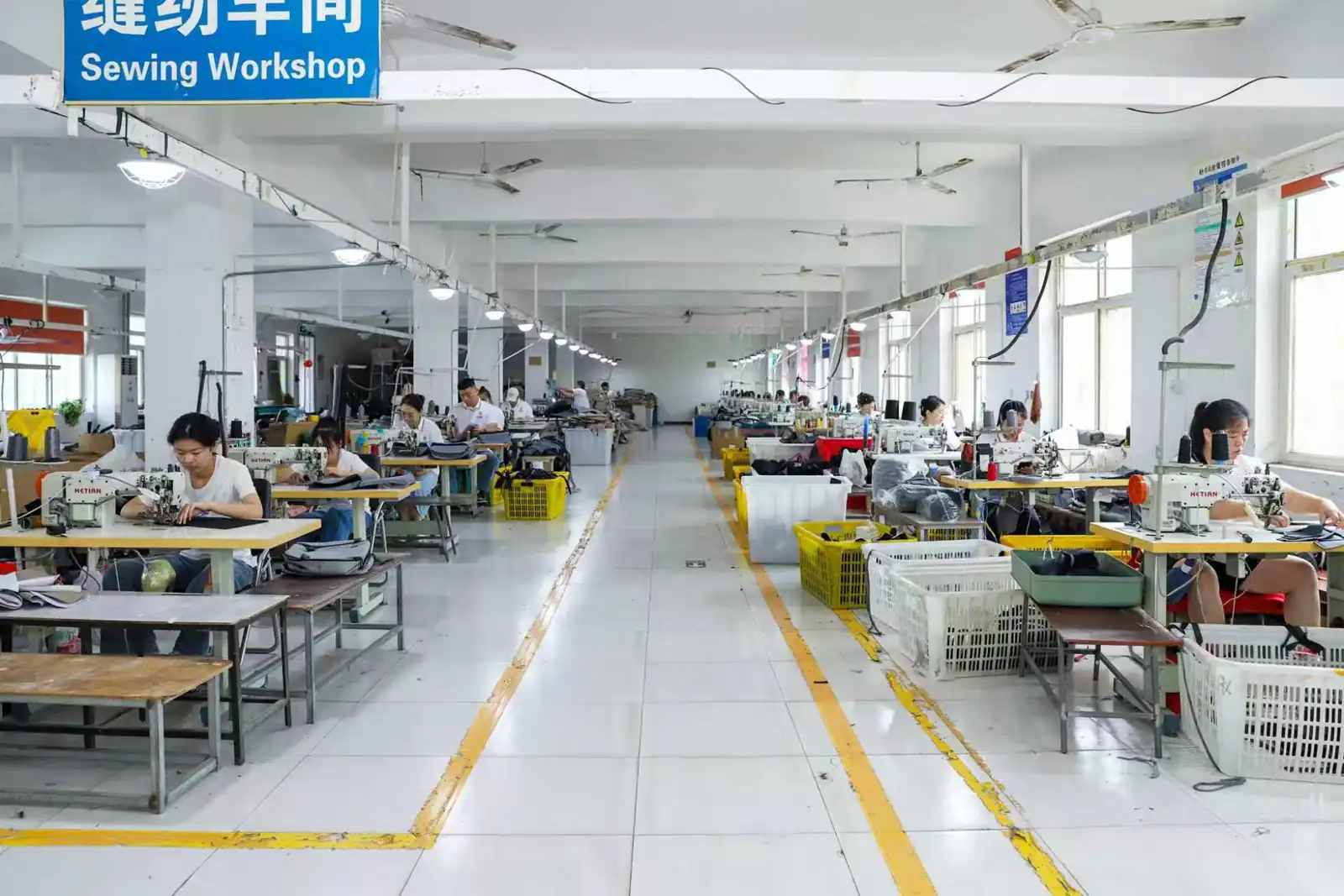
Luggage manufacturing workstations in the OMASKA factory
Capacity should be evaluated against your product specification, order mix and required delivery window. Workshop photographs show manufacturing operations; they do not by themselves establish available capacity or a guaranteed lead time.
Share your luggage, backpack or bag reference. Review the materials, components and manufacturing steps required for that model.
Provide units by model, size and color, including expected repeat orders. The assortment affects material preparation and scheduling.
Separate sample approval, material preparation, bulk production, inspection and shipping. Confirm the schedule for the specific order before committing.
These photographs come from our factory materials and show luggage and bag manufacturing operations. For your procurement review, request the information and verification relevant to your order.

Review the model’s shell or fabric construction, component fit and finishing requirements. Discuss any new tooling or special parts before sample development.
Review panel construction, stitching, reinforcement and compartment requirements against your reference. Confirm the approved sample before bulk production.
A delivery plan is useful when it shows the dependencies as well as the target dates. Ask our team to confirm each stage and the information needed from your purchasing team.
Align models, quantities, materials, branding, packing and commercial terms. Identify any sourcing or development assumptions that affect the schedule.
Record the final product specification, sample approval and artwork approval. Confirm how later changes will affect cost and timing.
Review component availability, material preparation and the proposed production window. Agree progress updates and how any change will be communicated.
Allow time for the agreed inspection, any corrective action, packing and document review. Coordinate third-party inspection arrangements before booking.
Confirm shipment responsibilities, booking arrangements and required documents under the agreed terms. Factory completion and arrival at destination are different milestones.
A luggage project for a cold-climate market required a material change after the suitcase became brittle and suffered damage in approximately −20°C conditions. OMASKA remade the product using a new material and completed delivery on time.

OMASKA workshop photograph. Shown to illustrate luggage manufacturing; it is not a photograph of this specific customer project.
The luggage needed to suit the customer’s cold operating environment. Brittleness and damage at approximately −20°C made the initial material unsuitable for that use.
We changed the material and remade the luggage to address the low-temperature issue. The solution focused on matching the material to the intended environment rather than retaining the original specification.
The remade luggage was delivered on time and was suitable for the customer’s intended application, according to the factory’s project account. The customer and destination country are not disclosed.
Tell us the intended temperature range and use conditions before choosing the material. For a new order, agree the relevant sample evaluation, test method and acceptance criteria. This case does not establish a −20°C rating for every OMASKA model.
Large purchasing programs need more than one successful sample. Agree how specifications, changes and delivery requirements will be managed across orders.
Retain the approved sample, artwork, material references and packing instructions. Review proposed substitutions before they enter a repeat order.
Share expected purchasing windows and quantity ranges. Confirm actual capacity and material commitments for each order rather than assuming a forecast reserves production.
Agree who receives progress updates, who approves changes and how discrepancies are handled. Record the order-specific responsibilities in writing.
Use these questions to align expectations before sampling or placing the bulk order.
Ask for current, product-specific capacity for the proposed order window. Mixed models, materials and customization can affect throughput; this page does not state an unverified universal capacity figure.
Confirm the agreed completion date, its dependencies and any remedies in the order agreement. Sample revisions, material availability and transit arrangements should be addressed before commitment.
Contact our team to discuss timing, the manufacturing areas relevant to your project and what can be shared during your supplier evaluation.
Share the product category and requirements. Any customer-specific photographs, records or results must be reviewed for accuracy and confidentiality before sharing.
Share your product reference, units by model and color, destination market and required delivery window. Include any inspection, packing or documentation requirements.